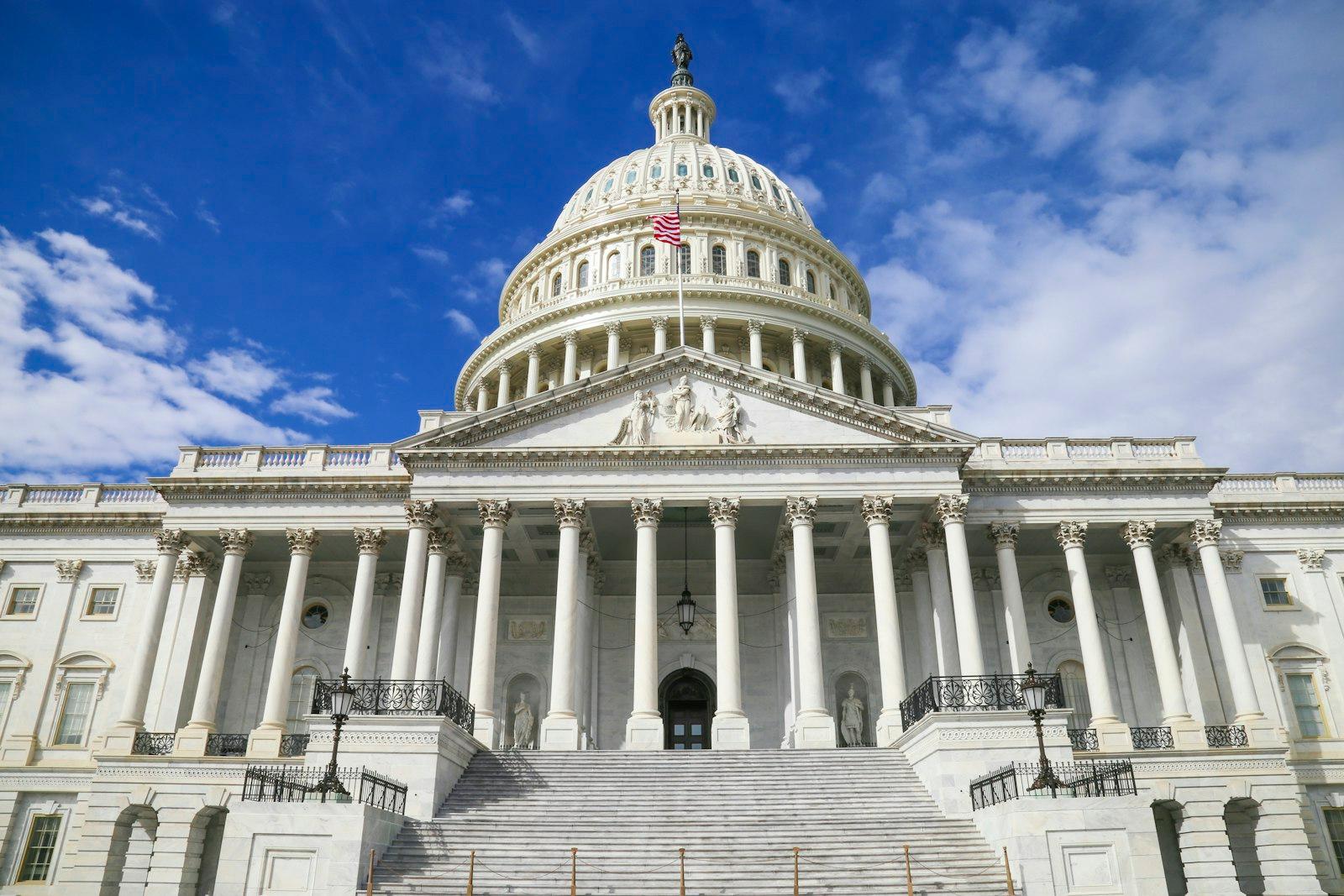
Every few weeks, a group of officials at the meets and decides whether to nudge one interest rate up, down, or nowhere. Markets swing. Mortgage rates move. Headlines everywhere. Here’s what’s actually going on.
One rate to rule them all
The Fed sets a target for the — what banks charge each other for overnight loans. It sounds obscure, but most other borrowing costs follow it: credit cards, car loans, business loans, and, more loosely, mortgages.
Changes usually come in steps of 25 , or a quarter of a percentage point. That sounds tiny. Spread across trillions of dollars of debt, it isn’t.
Why raise or cut?
The Fed has two jobs: keep prices stable and keep employment high. When runs hot, it raises rates to cool spending. When the economy weakens, it cuts rates to encourage borrowing and hiring.
- Rates go up: saving pays more, borrowing costs more, spending slows.
- Rates go down: borrowing gets cheaper, savings earn less, spending picks up.
- Rates hold: the Fed is waiting for more data before it moves.
What it means for you
If you carry a credit card balance, rate changes hit you within a billing cycle or two. If you’re shopping for a home, watch longer-term , which react to where markets think the Fed is headed. And if you have money in a high-yield savings account, a cut usually means a smaller interest payment soon after.